Wolf Hall: A Court Lit by What Was Actually Available
Peter Straughan's Cromwell drama trades spectacle for candlelight and stillness, and mostly wins the trade.
The Period Piece Desk · September 22, 2026 · 2 min read
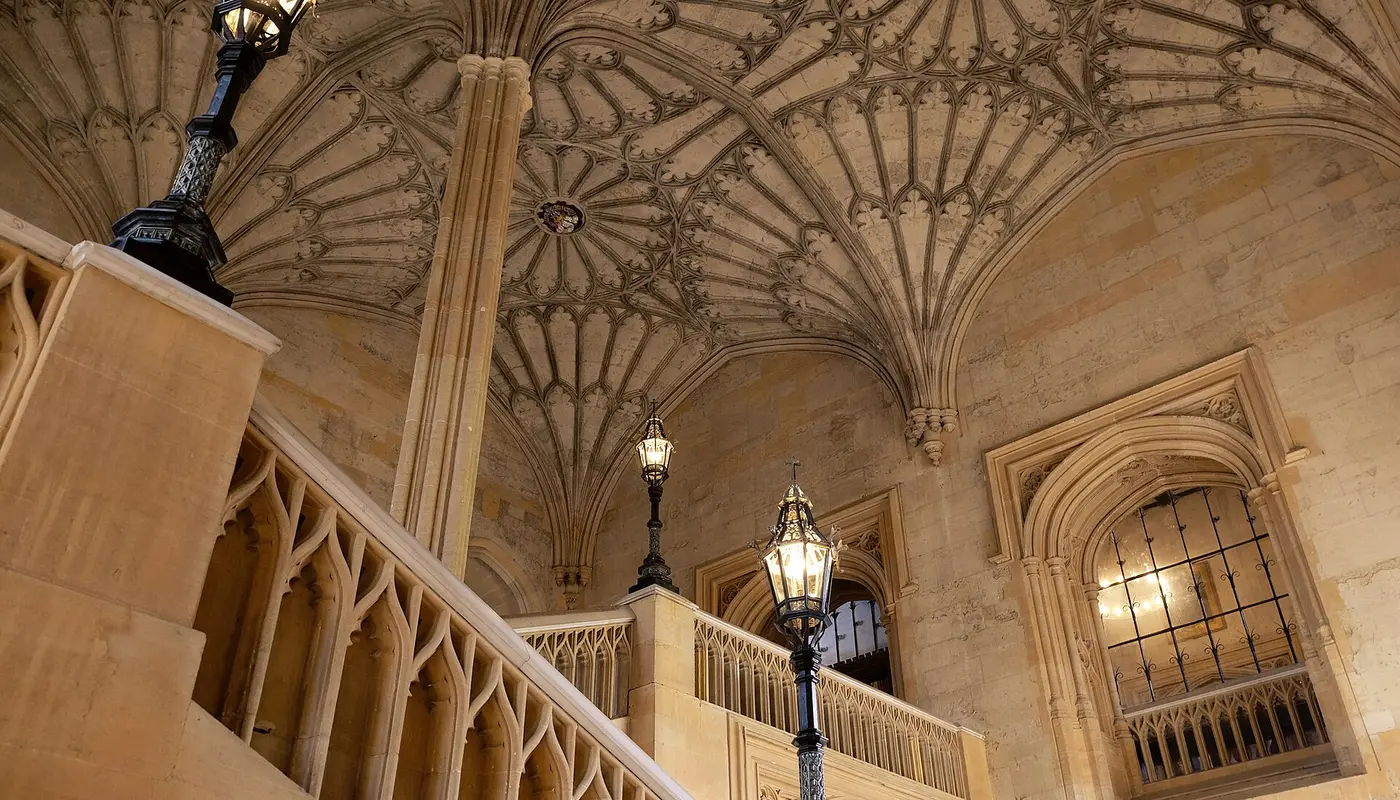
Wolf Hall makes a decision early and holds to it: almost every interior is lit as it would have been lit in 1520s England, by window and candle and little else. Faces go dark at the edges. Rooms that in other productions would be flooded with clean light are instead a series of pools, and the characters move in and out of them. It is a formal choice, and it is also, unusually, a moral one — this is a world where privacy is dangerous and light itself is a kind of exposure.
The performances take the same approach. Mark Rylance’s Cromwell says almost nothing that isn’t necessary, and the camera trusts him to mean more than he states. Damian Lewis’s Henry is loudest exactly when he is most uncertain, which is a shrewd inversion of how kings are usually written. Nobody here delivers a speech so much as arrives at a sentence. If you come to Wolf Hall expecting the rhetorical fireworks of other Tudor dramas, the hush will feel less like restraint than absence, at least for the first hour.
What the Dimness Buys You
What you get in exchange is a series that understands Tudor politics as a matter of rooms, not proclamations — who is standing near whom, who has been let in, who is being watched from a doorway. Straughan’s script (adapting Hilary Mantel) is built on implication, and the visual scheme supports it without illustrating it too plainly. There’s a genuine pleasure in a costume drama that assumes you can follow a conversation without being shown a raised eyebrow in close-up.
This will suit anyone who found the genre’s usual candour a bit much — the sweeping strings, the villain lit like a villain. It will suit less well anyone who wants pace. Wolf Hall does not hurry, and some episodes are essentially two people in a dim room deciding not to say something outright. That is the design, not a fault of execution, but it is worth naming before you commit six hours to it.
The Honest Reservation
The reservation is this: the visual austerity occasionally serves the production’s reputation more than the scene in front of you. There are stretches where the murk reads less as period accuracy than as a house style being maintained for its own sake, and a face lost entirely to shadow isn’t always a face making a point. It’s a small charge against a series this disciplined, but a real one — restraint can become a mannerism if it’s never broken.
Still, few historical dramas trust their audience this much, or their actors this fully. It earns the word must-watch rather than claiming it.
Newsletter
The best of historical TV, curated daily
Get The Period Piece in your inbox. No spam, and one click to leave.
Every day · Unsubscribe any time. We never sell or rent your address; read the privacy policy.