I, Claudius: The Quotable Empire
Shot on video with a handful of sets, I, Claudius is still the most quotable Roman drama ever televised.
The Period Piece Desk · September 20, 2026 · 2 min read
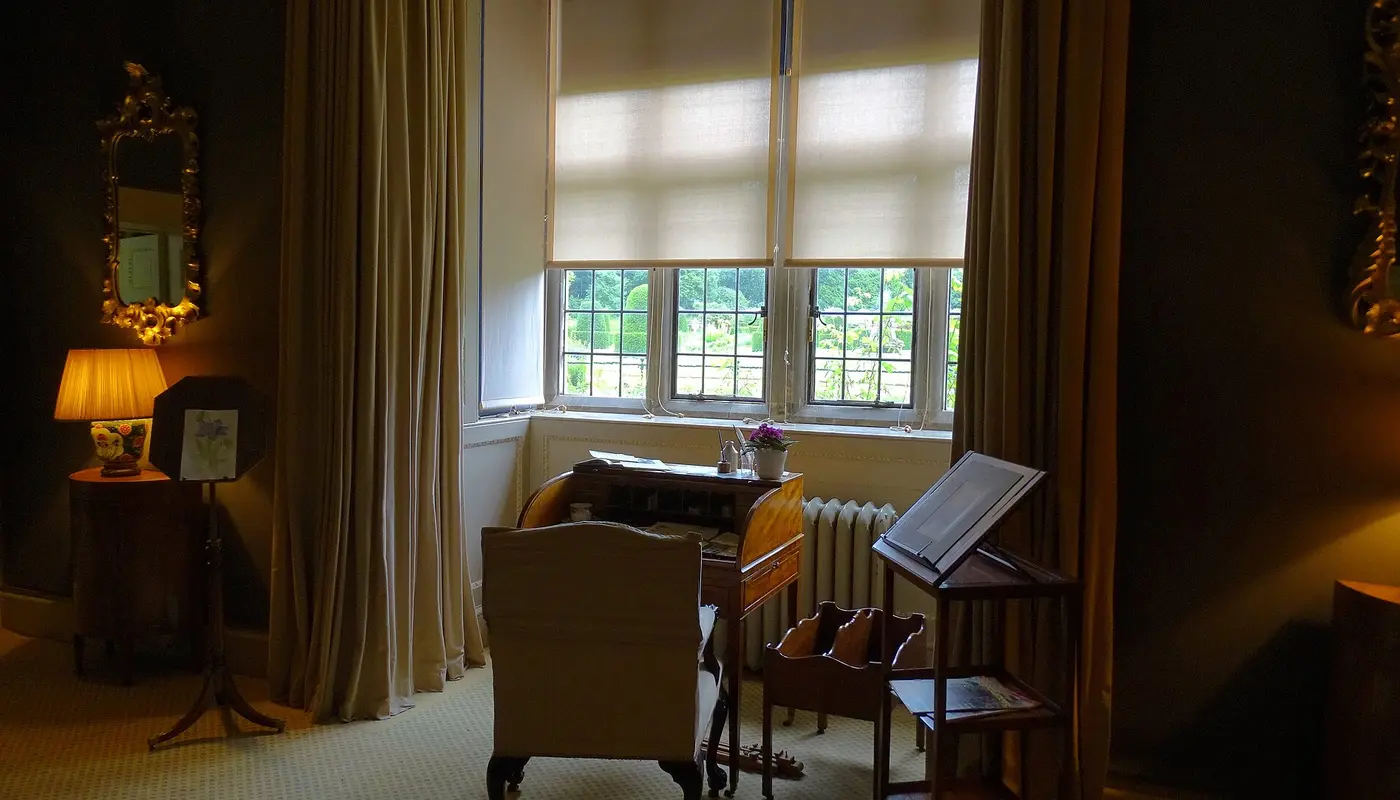
The sets wobble. The video image flattens everything to the texture of a school play. None of it matters, because Jack Pulman’s 1976 adaptation of Robert Graves runs on dialogue so precise it survives every limitation the BBC’s budget could throw at it.
The argument for it
Strip away the toga-drama reputation and what remains is a series built almost entirely on people talking in rooms — plotting, flattering, poisoning, confessing. That should be a weakness. It becomes the whole method. Pulman trusts that a well-turned line, delivered by an actor who knows exactly what it costs the character to say it, will do more than any battle sequence. Siân Phillips as Livia is the clearest proof: a performance of total, unhurried menace, built from small pauses and smaller smiles, that makes the case for the entire approach. Derek Jacobi’s Claudius, stammering and underestimated, gives the audience someone to hold onto amid all that scheming, and the device of his own narration lets the show move fast through decades without losing the thread.
The writing has a density you don’t often get now. Characters state their intentions plainly, then act against them, then justify the gap — and the show lets you watch them do it, in full scenes, without cutting away to remind you what’s at stake. It assumes an audience willing to listen. That assumption pays off constantly: this is a series people still quote, correctly, decades on.
What it’s for, and what it isn’t
It’s for anyone who wants Rome as psychology rather than spectacle — the corridors of a family that happens to run the known world, rather than the world itself. If you want crowds, sieges, or period accuracy of production design, look elsewhere; the sets are frankly sparse, and the video-recorded look, all flat lighting and studio air, will read as cheap to eyes trained on prestige drama’s texture and gloss. That’s the caveat, and it’s real: the first episode or two ask you to make peace with a look that has aged in a specific, videotaped way that film stock never does. Some viewers won’t get past it.
But if you can, what’s underneath is a piece that earns its period setting by using it precisely — the toga as a costume for arguments about power, not a costume for its own sake. It rewards patience with dialogue, not scale, and it never pretends the past is prettier than the present. That’s the whole case for calling it a period piece rather than a costume drama, and it’s why it remains, even shot the way it was, the first thing worth watching in the genre.
Newsletter
The best of historical TV, curated daily
Get The Period Piece in your inbox. No spam, and one click to leave.
Every day · Unsubscribe any time. We never sell or rent your address; read the privacy policy.